Home parcel boxes — the complete Australian buyer's guide.
You shop online. You are not always home. Here is how to choose the right parcel box for your property, your budget and your deliveries.
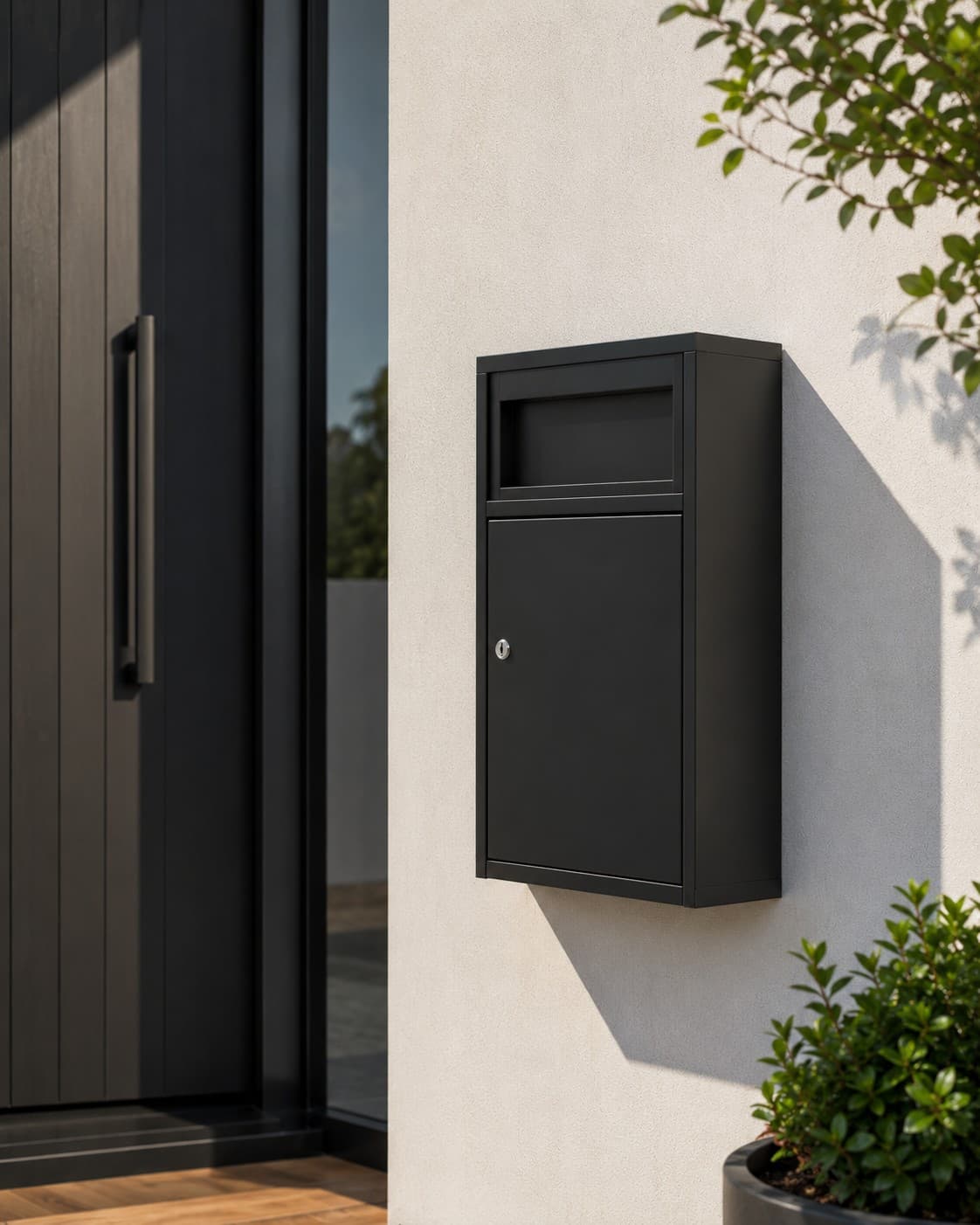
There is a particular frustration that every regular online shopper knows. You order something, track it obsessively, and come home to find nothing. Either a card in the door telling you to pick it up from a post office three suburbs away, or worse — the tracking says delivered but there is nothing on your doorstep.
A home parcel box solves both problems permanently. Once it is installed, couriers have somewhere secure to leave your deliveries. You come home to your parcels waiting for you, safely locked away, regardless of whether it rained all day or your neighbour walked past twice.
Do you actually need a parcel box?
If you answer yes to any of these, a parcel box is worth serious consideration.
- You receive more than two or three deliveries per month
- You work outside the home during delivery hours
- You have had a parcel go missing or been left a calling card more than once in the past year
- You live in an inner-city or suburban area where parcel theft is a known issue
- You are renovating or building and want a clean, integrated letterbox solution from the start
A decent home parcel box costs between $300 and $600. The average value of a stolen or redelivered parcel in Australia is around $139 — and the frustration of chasing them is worth considerably more than that.
The four main types of home parcel boxes
Wall-mounted parcel boxes
The most popular choice for Australian homes. Wall-mounted boxes bolt directly to an exterior wall and sit firmly against the surface. They are weatherproof, lockable and available in sizes ranging from compact units for smaller deliveries up to large-capacity boxes that can handle standard courier parcels with ease. The installation is typically DIY-friendly if you are comfortable with a drill. Quality Australian-made options start around $300.
Freestanding parcel boxes
For properties where wall-mounting is not an option — a rendered heritage surface, a rental property, or a situation where the logical drop-off point is away from a wall. They sit on the ground, anchored with a ground spike or concrete-mount kit. They offer the same security and capacity as wall-mounted options with more flexibility in positioning. They are also easier to take with you if you move.
Built-in parcel letterboxes
The premium option and increasingly the preferred choice for new builds and renovations. A built-in parcel letterbox is installed directly into a wall, brick pillar, or fence — sitting completely flush with the surface and accessed from the rear. The result looks architectural — like it was always part of the house, not bolted on as an afterthought. If you are building or doing significant external work, discuss this with your builder from the outset.
Combination letterbox and parcel box
If you are replacing an old letterbox entirely, a combination unit handles both standard mail and larger parcel deliveries in a single, clean installation. The mail slot is sized for letters and small envelopes. The parcel compartment handles courier packages. One box, one installation, one key.
What size do you need?
Getting the size wrong is the most common mistake. Buy too small and your couriers will still leave cards for anything that does not fit. As a practical guide, think about the largest item you regularly order online. A standard shoe box is roughly 35cm x 22cm x 13cm. A medium Amazon parcel might be 40cm x 30cm x 20cm.
For most Australian households ordering clothing, electronics, books and household goods, a box with an interior capacity of at least 40cm x 35cm x 30cm will handle the majority of deliveries. If you regularly receive large items, go bigger.
Key features to look for
One-way drop mechanism
Parcels go in through the slot but cannot be retrieved without the key or code. This is non-negotiable. If a box does not have this, it is not truly secure.
Quality locking
Look for key locks with at least two keys supplied, combination locks with a minimum four-digit code, or electronic locks with PIN access. Avoid cheap padlocks or flimsy latches on the main door.
Steel construction
Powder-coated galvanised steel is the benchmark for Australian conditions. It resists rust, handles UV exposure and holds up to physical interference. Avoid thin sheet metal — some cheaper options rust badly within two years and look terrible at your front entrance.
Weatherproofing
The interior should stay dry in rain. Look for overlapping seams, rubber gaskets around doors, and a roof or overhang design that directs water away from the opening.
Installation — DIY or professional?
Most wall-mounted home parcel boxes are marketed as DIY-friendly, and for handy homeowners, that is accurate. You will need a drill, the right fixings for your wall type, a spirit level and about an hour. If you are mounting into brick or rendered masonry, you will want a hammer drill and masonry anchors.
That said, there are situations where a professional installer makes more sense. Masonry walls in older properties can be unpredictable. Built-in models require cutting into a structure. Expect to pay $80 to $200 for a professional installation depending on complexity.
How much should you spend?
Entry-level options sit around $150 to $250 — these are functional but tend to use thinner steel and simpler locking mechanisms. Fine as a starting point, but do not expect them to last a decade.
Mid-range boxes at $300 to $600 represent the sweet spot for most Australian homeowners. You get proper steel construction, solid locking, good weatherproofing and a finish that looks the part at your front entrance.
Premium and smart options from $700 upward are worth considering if you are doing a renovation, building new, or want electronic access with phone notifications.
Not sure which box is right for you?
Read our how-to-choose guide or get in touch and we will point you in the right direction.